

Calabria, the Land That Keeps Calling You from Across the World

There is a Calabria that cannot be found on any map.
It lives in the homes of emigrants, in family names now spoken with American, Canadian, Argentine, Australian, German or French accents. It survives in faded photographs kept in drawers, in recipes passed down from a grandmother to a daughter and now prepared by a granddaughter born thousands of miles away.
It is a Calabria that crossed oceans without needing a ship.
It traveled through memory.
A Land Left Behind, but Never Truly Abandoned
For thousands of Calabrians, leaving was not a romantic choice. They left because they needed work, because they wanted to build a home and give their children a better future.
Behind them they left parents, brothers and sisters, friends, a street, a town square, the countryside, the sound of church bells, the smell of bread, the sea or the mountains.
They promised they would return.
Some came back after a few years. Some returned decades later. Others never did.
And yet, even in families that have never set foot in Calabria again, one simple sentence has survived:
“We come from there.”
An entire world exists within those four words.
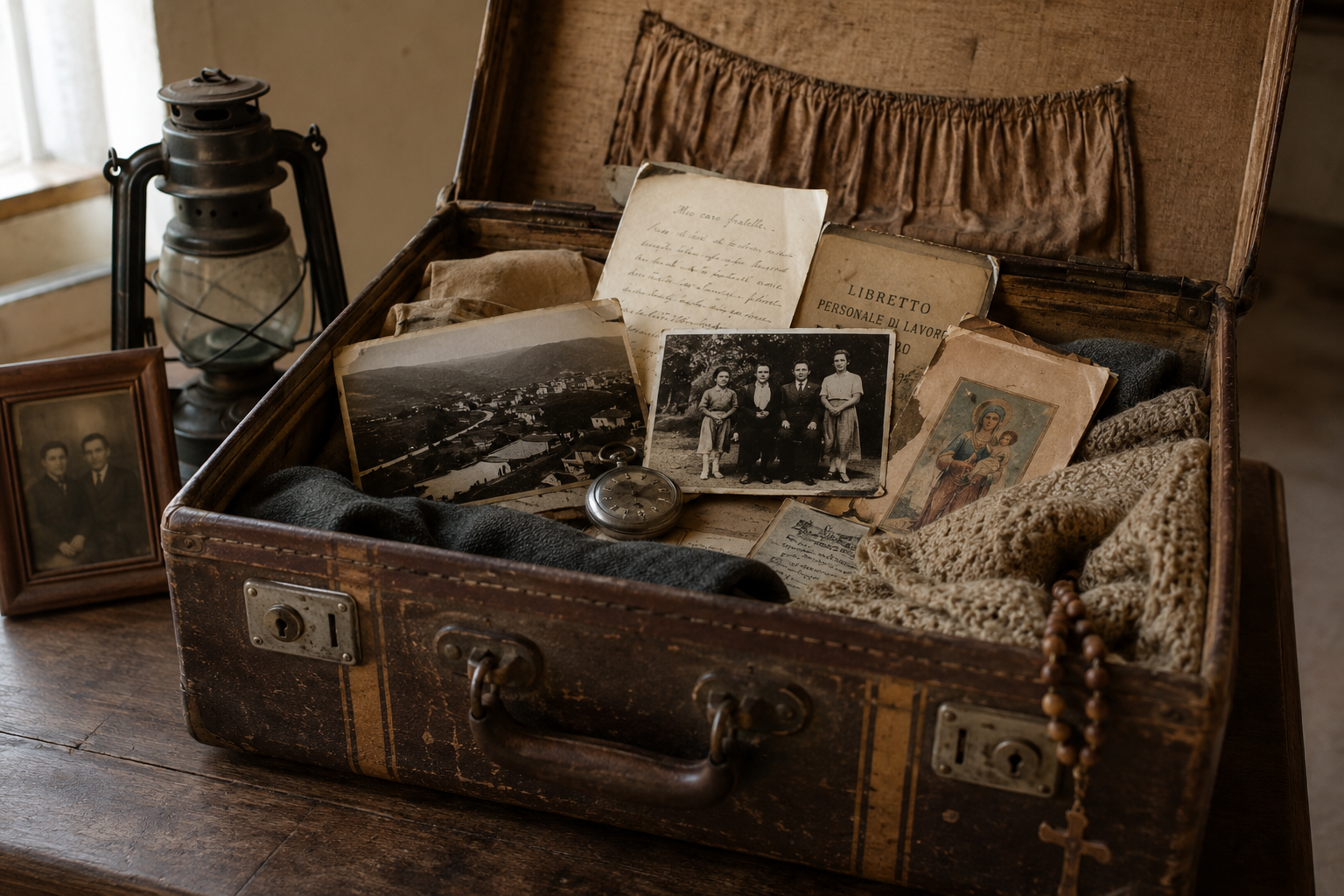
To the Children and Grandchildren of Calabrians
Perhaps you have never been to Calabria.
Perhaps all you know is the name of the town your grandfather or great-grandfather left behind. Maybe you heard that name hundreds of times at family gatherings without ever knowing exactly where it was.
Find it on a map.
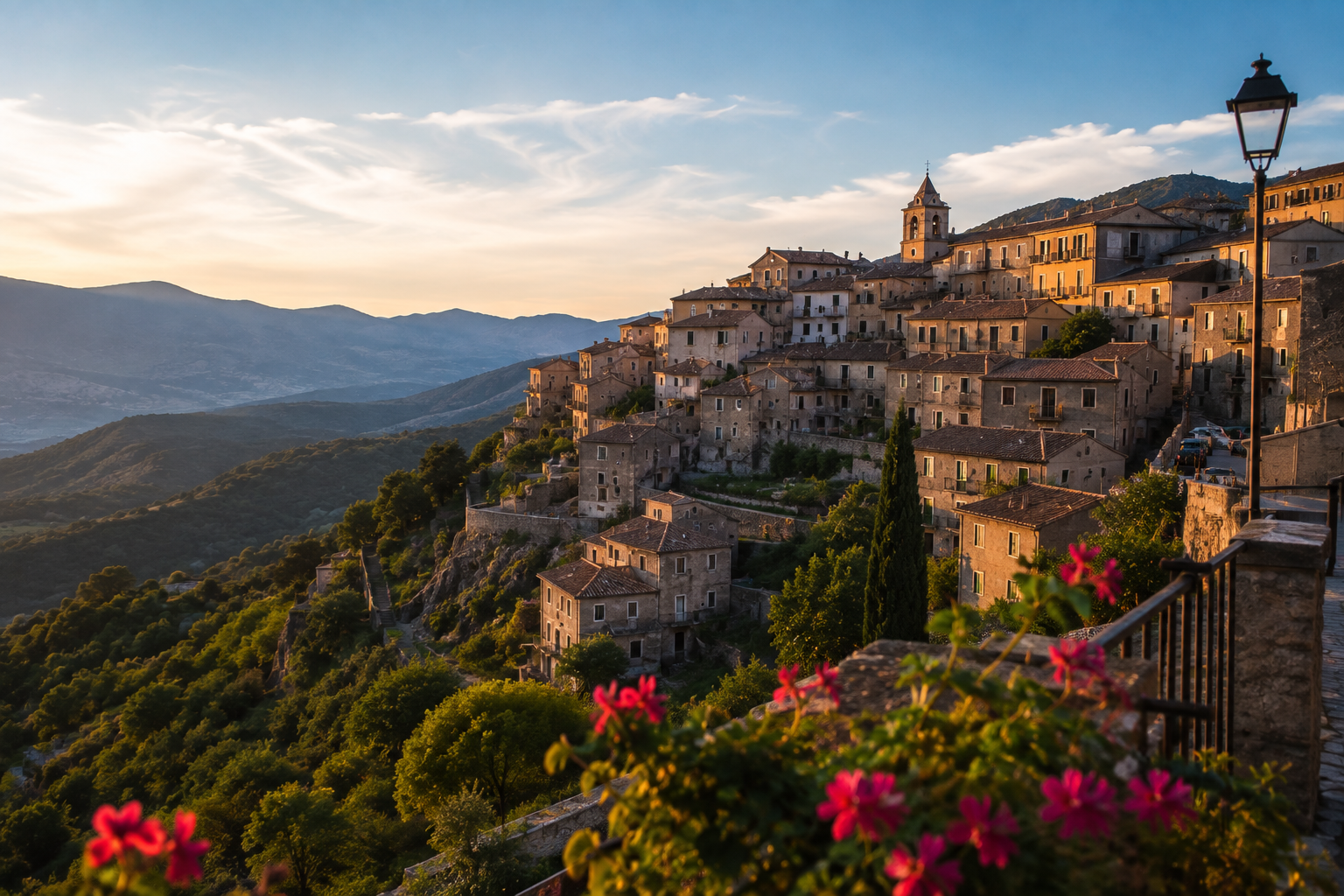
Look at that southern stretch of Italy reaching into the Mediterranean. Find the town. Find the street, if it still exists. Ask the oldest members of your family to tell you everything they remember.
Not only the important stories.
Ask about the family’s nickname. Ask where the house stood. Which patron saint’s festival they waited for every year. What they ate on Sundays. Where they played as children. Which mountain they could see from the window. Which beach they visited. What the neighbors were called.
They may seem like insignificant details.
One day, they may become priceless.
Because when the last person able to tell a story is gone, that story risks disappearing too.
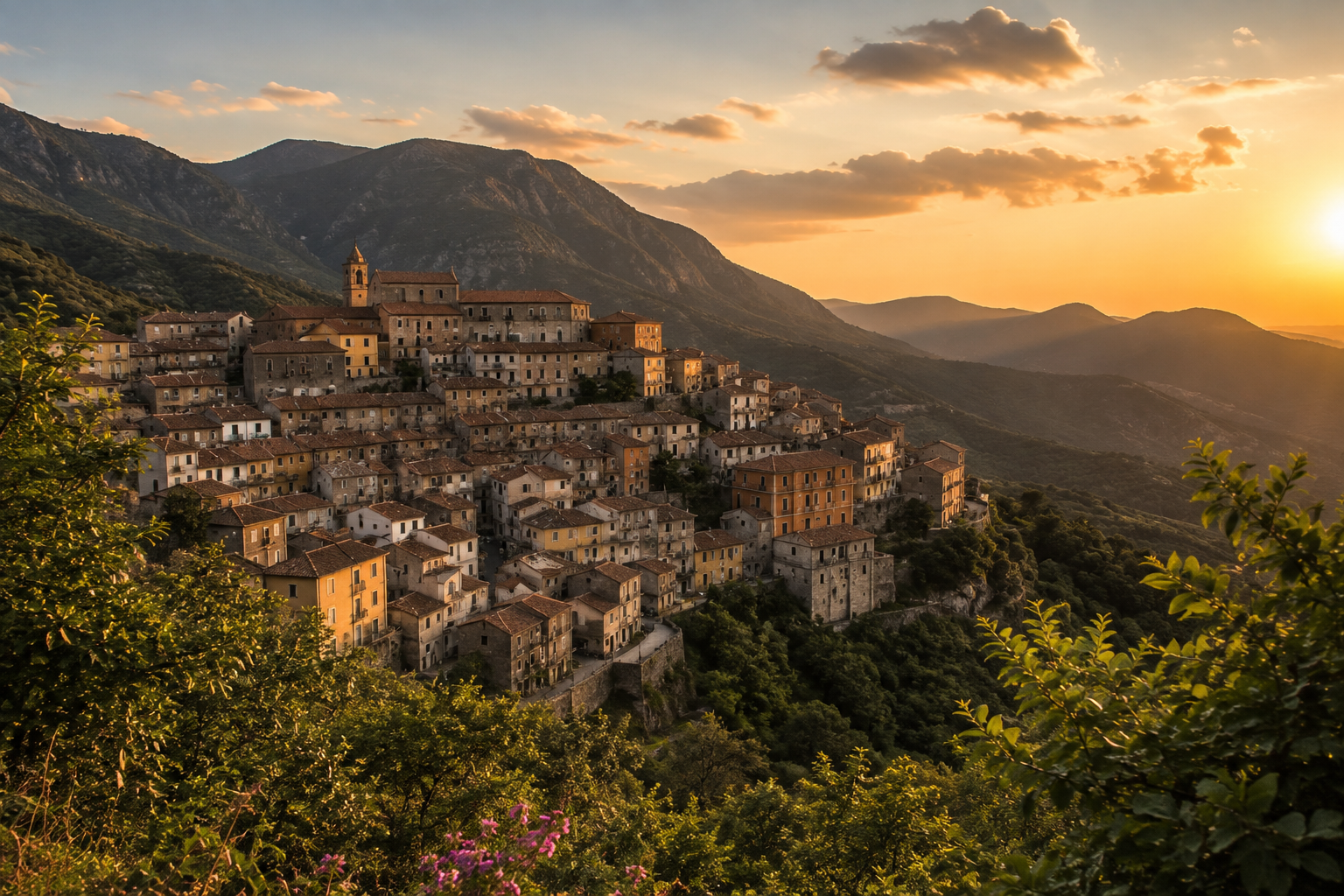
And One Day, Come
Not simply for a vacation in Italy.
Come looking for something.
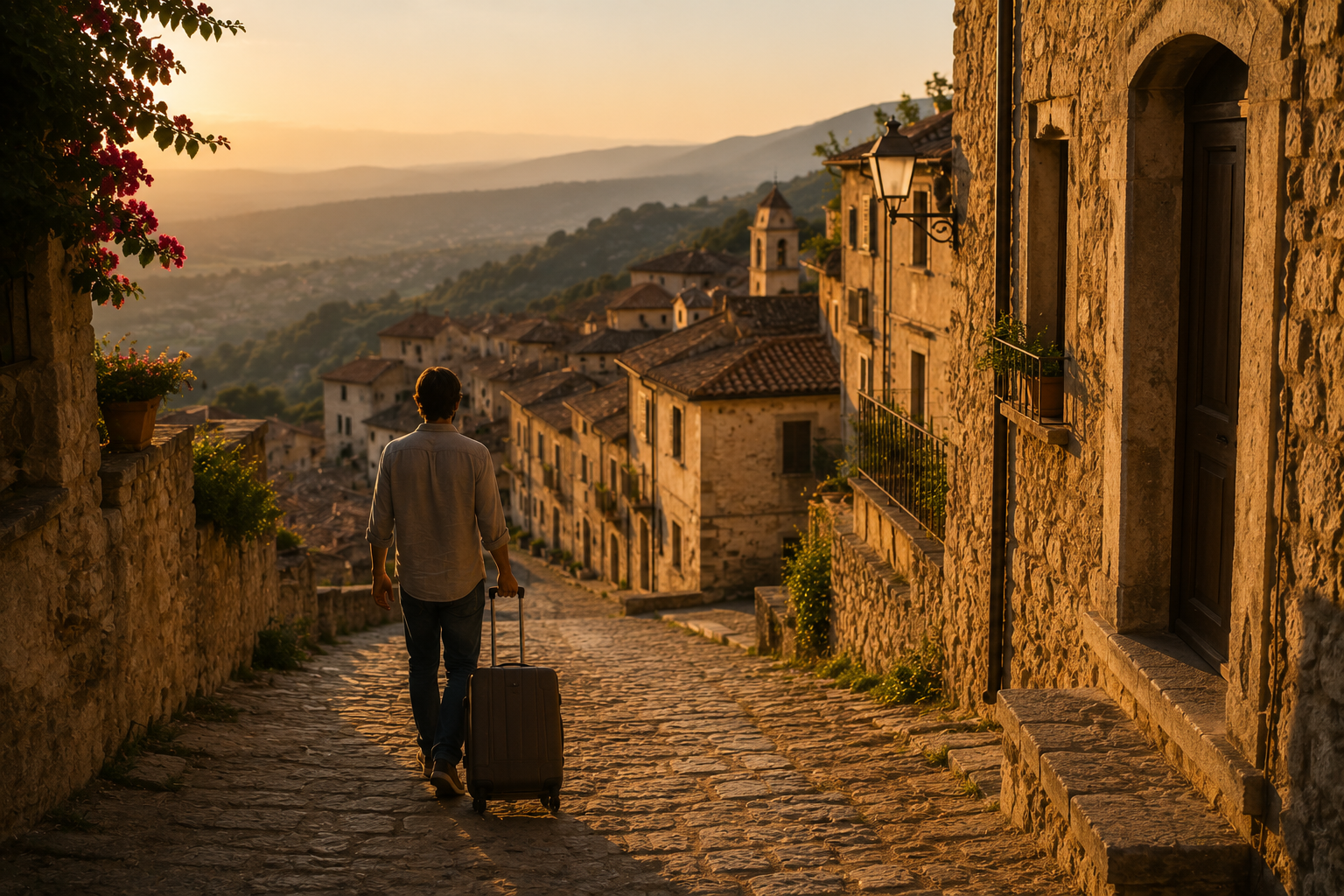
Rent a car and travel to the town written on your family’s old documents. Walk slowly through its streets. Enter the church where your ancestors may have been baptized. Stop in the town square. Say your family name out loud.
Something unexpected may happen.
Someone might recognize it.
“That family was from here.”
And suddenly, a place you have never seen before may no longer feel completely unfamiliar.
Perhaps you will find a house that looks different from the one your grandparents described. Perhaps the house will no longer exist. Maybe you will meet distant relatives you never knew you had.
Or perhaps you will find nothing at all.
But you will have walked the same streets.
And sometimes, that is enough.
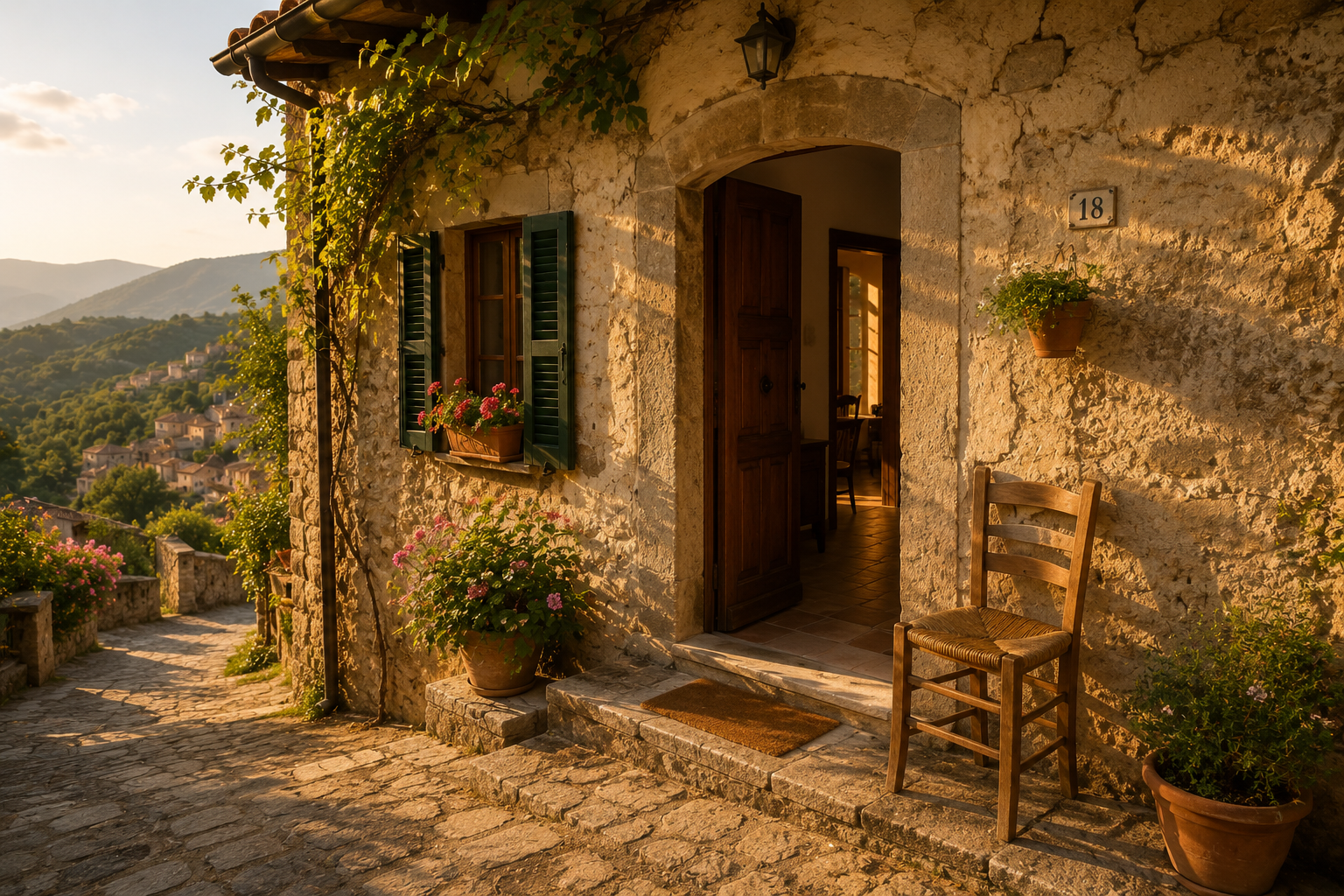
To Those Who Return Every Year
Then there are the Calabrians who never stopped making the journey.
They live in New York, Toronto, Buenos Aires, Melbourne, Zurich, Brussels, Munich or another Italian city, and when summer comes, the ritual of returning begins again.
The suitcases. The gifts. The journey. The door of the family home opened again after months away. The windows thrown open. Relatives to visit. Old friends waiting at the café.
For them, Calabria is not simply the place they once left.
It is the place they continue to return to, almost to make sure that a part of their life is still there.
And perhaps every return carries a quiet fear: discovering that something has changed.
A shop has closed. Someone is no longer there. A house stands empty. The younger generation has moved away. The street of childhood seems smaller than they remembered.
The real town changes.
The town preserved in memory remains almost still.
And it is in the meeting between these two places — the remembered town and the town found again — that every emigrant silently measures the passing of time.
Preserve the Words
There is something else worth saving: the dialect.
Those words that grandchildren may barely understand, expressions that have no perfect translation, sayings that once made everyone laugh around the family table.
Record your grandparents’ voices.
Ask them to tell you a story.
Ask them to pronounce the names of everyday things the way they used to say them back home.
Write down the family recipes, but do not stop at the ingredients. Write down that mysterious quanto basta — “just enough” — which seems to have traveled through generations of Calabrian kitchens better than any unit of measurement ever could.
Digitize the old photographs and write a name beside every face.
Create a small family archive.
A museum is not necessary to preserve the memory of a people. Sometimes all it takes is a carefully kept box, a recording, a notebook and someone willing to listen.
Calabria Also Belongs to Those Who Have Never Seen It
Being descended from emigrants means carrying a very particular geography within you.
You can be born on the other side of the ocean and still have, somewhere in your family history, a small Calabrian town of only a few thousand people.
You may not speak Italian and yet know perfectly well the taste of a Calabrian family recipe.
You may hold an American, Canadian, Argentine or Australian passport and still feel something stir inside you when looking at a photograph of a house you have never entered.
There is no contradiction in this.
It is inheritance.
Roots do not require anyone to live in the place their family came from. They simply remind us that before we arrived, someone walked, worked, loved, suffered and hoped in a particular corner of the world.
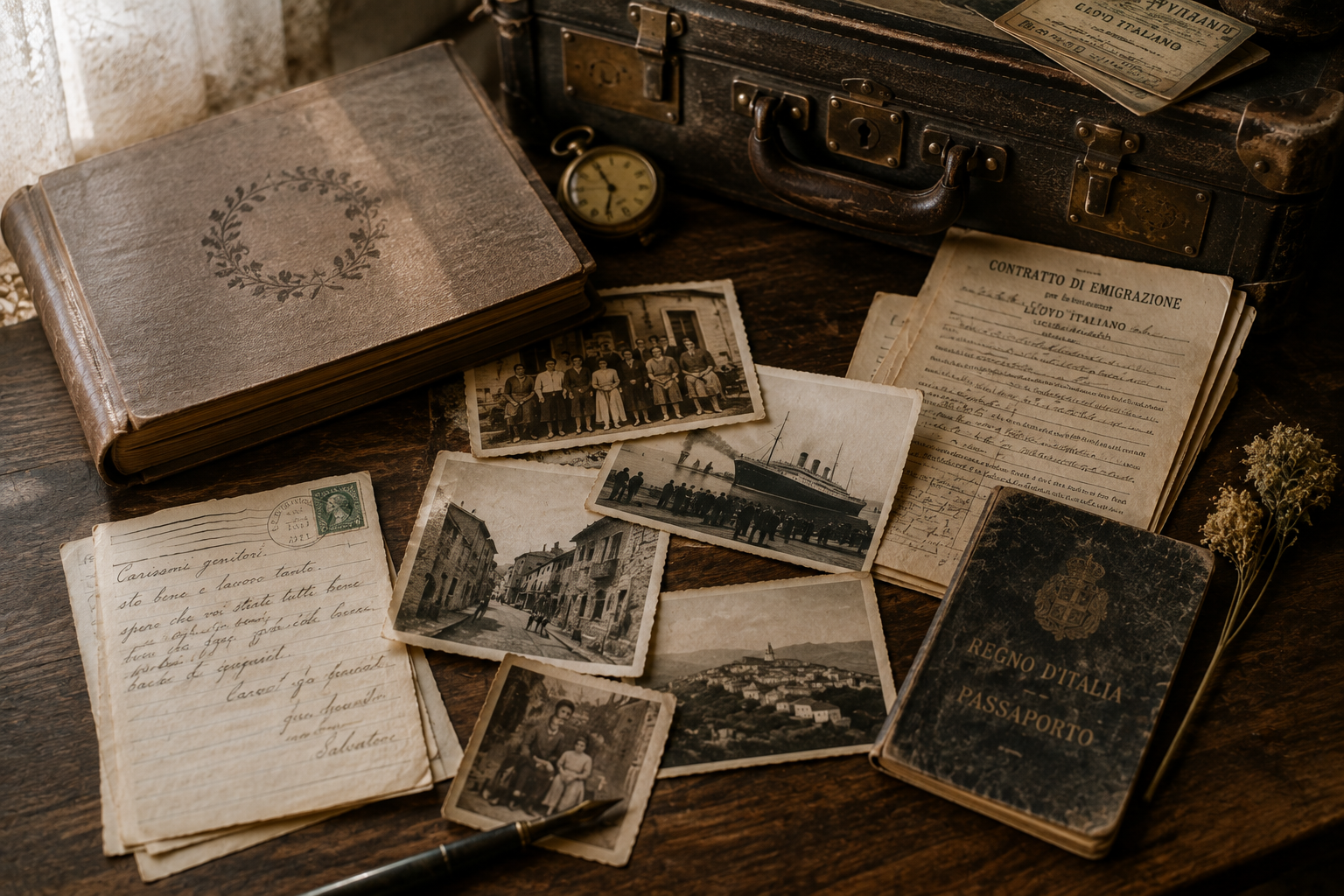
Tell the Children Where They Come From
Perhaps the simplest way to keep the connection with Calabria alive is this:
Tell its story.
Tell a child, “Your great-grandfather was born here.”
Show them a photograph.
Prepare a family recipe.
Teach them a word.
Tell them why, one day, someone packed a suitcase and crossed an ocean.
And above all, explain that leaving was not simply an act of separation.
It was also an act of courage.
Many of the lives built far from Calabria today began with the sacrifice of men and women who left their hometowns without knowing exactly what they would find on the other side of the ocean.
Remembering where you come from also means honoring them.
Before It Is Too Late, Ask Them to Tell You Everything
To anyone who still has a father, mother, grandfather, grandmother, aunt or uncle who remembers the Calabria of many years ago, there is one important thing to say:
Do not wait.
Sit beside them.
Turn on the voice recorder on your phone and ask:
“Tell me what it was like.”
Then let them talk.
They will probably tell you far more than you expected.
And one day, that voice may become one of your family’s most precious possessions.
Distance Is Measured in Miles. Belonging Is Not.
Thousands of miles separate America from Calabria.
Australia is farther still.
Yet some much shorter distances can separate people forever, while entire oceans are unable to erase a sense of belonging.
That is why the Calabria of emigrants continues to live in kitchens, photographs, stories, family names, celebrations, phone calls to relatives and in that summer journey that, for many, is not even called a vacation.
They simply say:
“This year, we’re going back to Calabria.”
And perhaps the most important word is precisely that one.
Back.
Because you can return to a place where you have never lived.
You can even return to a place you have never seen.
All it takes is for someone, before you, to have kept its story alive.






0 Commenti